





Date published: 2025-12-30
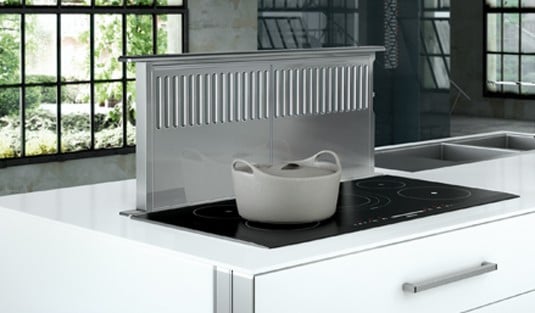
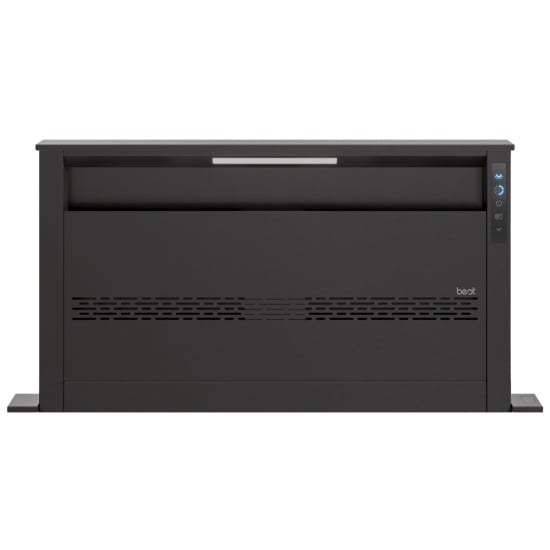
Designed for homeowners and designers who want a clean, unobstructed sightline over an island or peninsula cooktop, the Best D49M30BLS 30 Inch Downdraft is a built-in ventilation solution that rises when needed and disappears when it’s not. As an appliance specialist, I view this style of downdraft as best suited to kitchens where an overhead hood isn’t practical or desired, and where day-to-day cooking leans more toward sautéing, simmering, and light-to-moderate searing.
The standout advantage of Best downdraft systems is the way they preserve open-concept aesthetics while still providing targeted capture at the cooking surface. In real-world use, a downdraft like Best D49M30BLS 30 Inch Downdraft helps manage steam, smoke, and everyday odors without dominating the room visually. The 30-inch format is a natural match for many standard cooktop installations, and the pop-up design typically makes operation straightforward: raise it when cooking, lower it for a flush, integrated look when finished.
From a performance perspective, buyers should understand what downdrafts do well—and what they inherently do less well than overhead ventilation. Because they pull air laterally and downward, they tend to be most effective on the front burners and with lower-profile cookware. Taller stockpots, high-heat wok cooking, or heavy griddle use can challenge capture efficiency, especially when heat and smoke rise quickly. This isn’t a flaw unique to this model; it’s a category reality that may not suit buyers who frequently do intense, high-smoke cooking.
Installation planning is also important. Downdrafts require under-counter space for the housing and duct routing, which can reduce usable cabinet storage and may complicate some island layouts. Noise levels in this category are typically noticeable at higher settings, though that tradeoff is often acceptable when the alternative is no ventilation or a visually intrusive hood.
Overall, the Best D49M30BLS is a credible, design-forward choice for customers prioritizing a streamlined kitchen—common in many modern U.S. and Canada renovations—who still want practical, everyday ventilation. It’s best for style-conscious households and moderate cooking routines; frequent high-heat cooks or those relying heavily on large pots may want to consider an overhead solution instead.
Thank You!

47 Showrooms & Warehouses Canada-wide!
 Vaughan
 (Woodbridge)
 Toronto
 (North York)
 Markham
 Toronto
 (Etobicoke)
 Brampton
 Toronto
 (Scarborough)
 Mississauga
 Newmarket
 Milton
 Oakville
 Whitby
 Guelph
 Hamilton
 Barrie
 Kitchener
 London
 Kingston
 Windsor
 Ottawa
 (West)
 Gatineau
 Ottawa
 (East)
 Ottawa (Warehouse)
 Dorval
 Laval
Laval
 Laval (Warehouse)
 Montréal
 Longueuil
 Trois-Rivières
 Quebec City
 Halifax
 Dartmouth (Warehouse)
 Winnipeg (Warehouse)
 Winnipeg
 (North)
 Winnipeg
 Regina
 Saskatoon
 Edmonton
 Calgary
 Calgary
 (South)
 Edmonton
 (North)
 Langley
 Coquitlam
 Surrey
 Burnaby (Warehouse)
 Burnaby
 Vancouver
 Victoria
47 Showrooms & Warehouses Canada-wide!
-
Ontario
-
Vaughan
WOODBRIDGEINFO
-
Toronto
NORTH YORKINFO
-
Markham
INFO
-
Toronto
ETOBICOKEINFO
-
Brampton
INFO
-
Toronto
SCARBOROUGHINFO
-
Mississauga
INFO
-
Newmarket
INFO
-
Milton
INFO
-
Oakville / Burlington
INFO
-
Whitby / Oshawa
INFO
-
Guelph
INFO
-
Hamilton
INFO
-
Barrie
INFO
-
Kitchener
INFO
-
London
INFO
-
Kingston
INFO
-
Windsor
INFO
-
Ottawa
WESTINFO
-
Ottawa
EASTINFO
-
Ottawa (Warehouse)
INFO
-
Vaughan
-
Québec
-
Nova Scotia
-
Saskatchewan
Live Chat
Appliance experts online now!
✖
Delivery and Installation Requirements: Appliances & Laundry

