








Date published: 2025-12-30
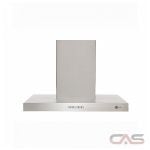
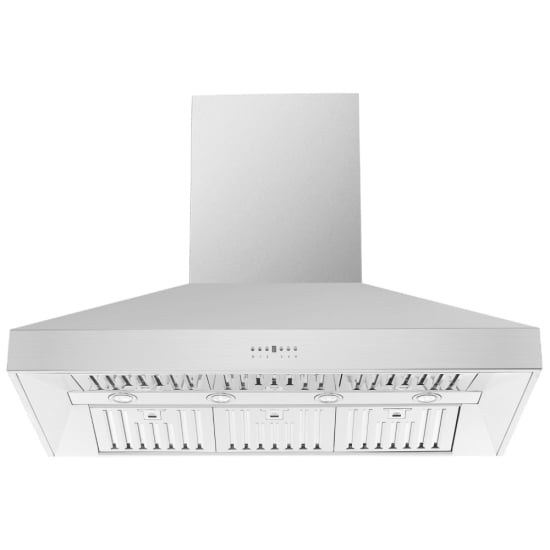
Designed for homeowners building a serious 48-inch cooking station, the Forno FRHWM5094-48 48 Inch Range Hood is a wall-mount canopy hood aimed at users who cook frequently, use high-heat techniques, or simply want better control of smoke and grease than a basic over-the-range solution can provide. In my experience evaluating ventilation for residential kitchens, this size category is most appreciated by buyers pairing it with larger ranges and expecting consistent capture across the full cooktop width.
A key strength of the Forno FRHWM5094-48 is its broad canopy coverage. On a 48-inch setup, effective ventilation is less about peak power and more about capture efficiency—how well the hood “collects” rising effluent before it spreads. The wide footprint helps reduce lingering odors and airborne grease, which matters for long-term cabinet cleanliness and overall indoor air quality, especially in open-concept layouts common in both the U.S. and Canada.
Day-to-day usability is typically defined by controls, lighting, and filter access. A well-executed wall hood should be straightforward to operate mid-cook, with lighting that clearly illuminates front and rear burners and filters that remove for cleaning without fuss. In this class, durable metal baffle-style filtration (where equipped) is a practical advantage because it handles higher heat better than mesh and is generally easier to maintain, supporting steadier airflow over time.
Noise is the trade-off buyers should consider with any high-capacity canopy hood. Even well-built units can become noticeably louder at higher fan speeds, and that may not suit households that prioritize quiet conversation in adjacent living spaces. Similarly, 48-inch wall hoods require careful planning for mounting height, duct routing, and makeup air considerations where local codes apply; performance depends heavily on correct installation and appropriate duct sizing.
Overall, the Forno FRHWM5094-48 is best for cooks who want full-width coverage, a professional-style look, and ventilation that keeps up with larger ranges. Buyers with limited ducting options, strict noise sensitivity, or very light cooking habits may want to consider a smaller or lower-output configuration better matched to their kitchen constraints.
Thank You!

47 Showrooms & Warehouses Canada-wide!
 Vaughan
 (Woodbridge)
 Toronto
 (North York)
 Markham
 Toronto
 (Etobicoke)
 Brampton
 Toronto
 (Scarborough)
 Mississauga
 Newmarket
 Milton
 Oakville
 Whitby
 Guelph
 Hamilton
 Barrie
 Kitchener
 London
 Kingston
 Windsor
 Ottawa
 (West)
 Gatineau
 Ottawa
 (East)
 Ottawa (Warehouse)
 Dorval
 Laval
Laval
 Laval (Warehouse)
 Montréal
 Longueuil
 Trois-Rivières
 Quebec City
 Halifax
 Dartmouth (Warehouse)
 Winnipeg (Warehouse)
 Winnipeg
 (North)
 Winnipeg
 Regina
 Saskatoon
 Edmonton
 Calgary
 Calgary
 (South)
 Edmonton
 (North)
 Langley
 Coquitlam
 Surrey
 Burnaby (Warehouse)
 Burnaby
 Vancouver
 Victoria
47 Showrooms & Warehouses Canada-wide!
-
Ontario
-
Vaughan
WOODBRIDGEINFO
-
Toronto
NORTH YORKINFO
-
Markham
INFO
-
Toronto
ETOBICOKEINFO
-
Brampton
INFO
-
Toronto
SCARBOROUGHINFO
-
Mississauga
INFO
-
Newmarket
INFO
-
Milton
INFO
-
Oakville / Burlington
INFO
-
Whitby / Oshawa
INFO
-
Guelph
INFO
-
Hamilton
INFO
-
Barrie
INFO
-
Kitchener
INFO
-
London
INFO
-
Kingston
INFO
-
Windsor
INFO
-
Ottawa
WESTINFO
-
Ottawa
EASTINFO
-
Ottawa (Warehouse)
INFO
-
Vaughan
-
Québec
-
Nova Scotia
-
Saskatchewan
Live Chat
Appliance experts online now!
✖
Delivery and Installation Requirements: Appliances & Laundry

