











Date published: 2025-12-30
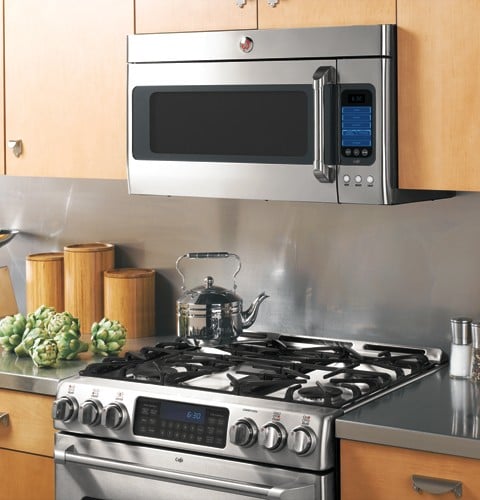
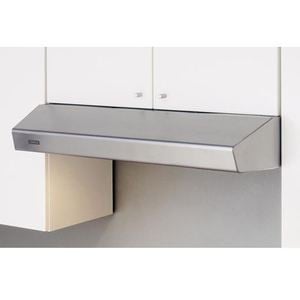
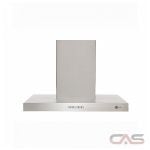
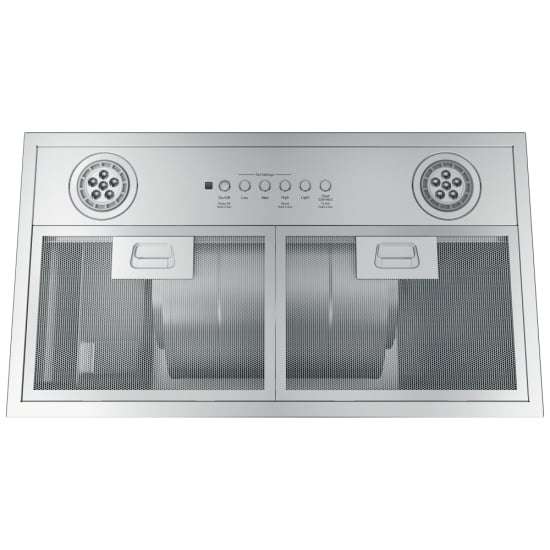
Designed for homeowners and designers who want a discreet, built-in ventilation solution without sacrificing everyday performance, the GE UVC7300SLSS 20 Inch Custom Hood Insert is best suited to compact or secondary cooking areas where a full-size canopy hood would feel visually heavy. As an insert, it’s intended to be integrated into custom cabinetry for a clean, tailored look that complements modern kitchen layouts. From an appliance-specialist perspective, the primary strength of this model is its ability to deliver practical ventilation in a space-conscious format. A 20-inch insert can be an excellent match for smaller cooktops or narrower cooking zones, helping capture steam, light smoke, and routine cooking odors while keeping the hood visually “out of the way.” In real kitchens, that translates to a more open sightline—especially valuable in condos, galley kitchens, or bar/prep areas where cabinetry continuity matters. Day-to-day usability is typically where hood inserts either shine or frustrate, and the GE UVC7300SLSS is positioned to be straightforward: integrated controls and lighting are meant to be accessible once installed, and the stainless finish is generally forgiving for routine wipe-downs. For most households, the real benefit is consistency—reliable, repeatable ventilation you’ll actually use because it’s simple and unobtrusive, rather than a feature-heavy system that becomes a maintenance project. That said, a 20-inch insert is inherently specialized. It may not suit buyers with larger rangetops, frequent high-heat searing, or heavy wok cooking, where broader capture area and higher airflow are typically expected to better contain smoke and grease. As with most inserts, final performance also depends heavily on proper ducting and installation quality; restrictive duct runs or poor cabinet integration can limit effectiveness and increase perceived noise. Overall, the GE UVC7300SLSS is a credible choice for shoppers prioritizing a custom-built aesthetic and right-sized ventilation for smaller cooking spaces—including many Canadian condo and urban kitchen designs where compact layouts are common. It’s best for light-to-moderate cooking needs and clean cabinetry integration; those with larger cook surfaces or frequent high-smoke cooking may want to consider a wider insert or a more robust ventilation configuration.
Thank You!

47 Showrooms & Warehouses Canada-wide!
 Vaughan
 (Woodbridge)
 Toronto
 (North York)
 Markham
 Toronto
 (Etobicoke)
 Brampton
 Toronto
 (Scarborough)
 Mississauga
 Newmarket
 Milton
 Oakville
 Whitby
 Guelph
 Hamilton
 Barrie
 Kitchener
 London
 Kingston
 Windsor
 Ottawa
 (West)
 Gatineau
 Ottawa
 (East)
 Ottawa (Warehouse)
 Dorval
 Laval
Laval
 Laval (Warehouse)
 Montréal
 Longueuil
 Trois-Rivières
 Quebec City
 Halifax
 Dartmouth (Warehouse)
 Winnipeg (Warehouse)
 Winnipeg
 (North)
 Winnipeg
 Regina
 Saskatoon
 Edmonton
 Calgary
 Calgary
 (South)
 Edmonton
 (North)
 Langley
 Coquitlam
 Surrey
 Burnaby (Warehouse)
 Burnaby
 Vancouver
 Victoria
47 Showrooms & Warehouses Canada-wide!
-
Ontario
-
Vaughan
WOODBRIDGEINFO
-
Toronto
NORTH YORKINFO
-
Markham
INFO
-
Toronto
ETOBICOKEINFO
-
Brampton
INFO
-
Toronto
SCARBOROUGHINFO
-
Mississauga
INFO
-
Newmarket
INFO
-
Milton
INFO
-
Oakville / Burlington
INFO
-
Whitby / Oshawa
INFO
-
Guelph
INFO
-
Hamilton
INFO
-
Barrie
INFO
-
Kitchener
INFO
-
London
INFO
-
Kingston
INFO
-
Windsor
INFO
-
Ottawa
WESTINFO
-
Ottawa
EASTINFO
-
Ottawa (Warehouse)
INFO
-
Vaughan
-
Québec
-
Nova Scotia
-
Saskatchewan
Live Chat
Appliance experts online now!
✖
Delivery and Installation Requirements: Appliances & Laundry

