








Date published: 2026-04-07
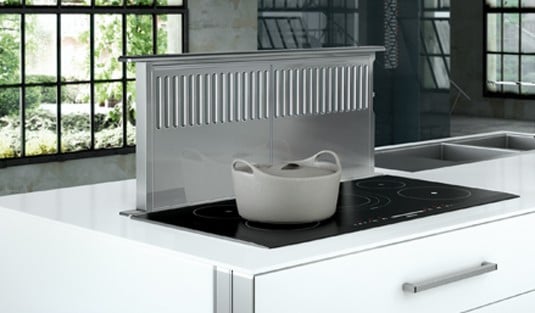
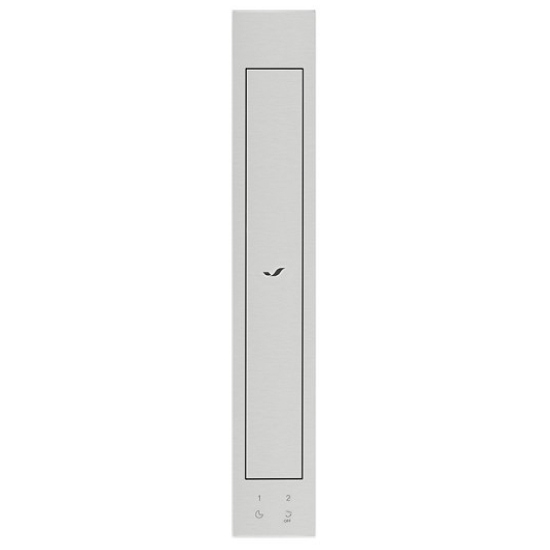
Designed for homeowners who want a cleaner sightline over the cooktop—especially in open-concept kitchens or island installations—the JennAir JVD0303GS 4 Inch Downdraft is a purpose-built ventilation solution that rises when needed and disappears when it’s not. As an appliance specialist, I view this model as a strong fit for buyers prioritizing minimalist design and unobtrusive performance over the visual presence of a traditional hood.
In day-to-day use, the primary advantage of a downdraft like the JennAir JVD0303GS is how effectively it preserves the kitchen’s architecture. When paired with a compatible cooktop, it helps capture steam, smoke, and cooking odors at the source without dominating the room. This is particularly valuable in spaces where overhead ducting is difficult, or where a ceiling-mounted hood would interrupt lighting plans or sightlines across a great room.
From a usability standpoint, the lift mechanism and controls are typically the make-or-break details in this category, and JennAir’s approach is aligned with premium expectations: the unit is engineered to feel deliberate and stable in operation, with a finish that integrates cleanly alongside higher-end cooking surfaces. For many households, the real-world benefit is simple—ventilation that’s available on demand, yet visually “off” the moment cooking is done.
That said, downdraft ventilation has inherent limitations buyers should understand. Compared with a well-positioned overhead hood, downdrafts can be less forgiving with tall stockpots, high-heat searing, or heavy wok cooking, where rising heat and smoke naturally want to travel upward. This model may not suit buyers who frequently cook with large, high-sided cookware or who expect maximum capture efficiency during intense frying sessions. Like most downdrafts, it also requires thoughtful planning for duct routing and cabinet space, which can influence installation complexity.
Overall, the JennAir JVD0303GS is best for design-driven kitchens—common in both U.S. and Canada—where a discreet, integrated ventilation solution is the priority and cooking habits are primarily everyday sautéing, simmering, and general meal prep. Those who routinely produce heavy smoke or high grease loads may want to consider an overhead ventilation approach instead.
Thank You!

47 Showrooms & Warehouses Canada-wide!
 Vaughan
 (Woodbridge)
 Toronto
 (North York)
 Markham
 Toronto
 (Etobicoke)
 Brampton
 Toronto
 (Scarborough)
 Mississauga
 Newmarket
 Milton
 Oakville
 Whitby
 Guelph
 Hamilton
 Barrie
 Kitchener
 London
 Kingston
 Windsor
 Ottawa
 (West)
 Gatineau
 Ottawa
 (East)
 Ottawa (Warehouse)
 Dorval
 Laval
Laval
 Laval (Warehouse)
 Montréal
 Longueuil
 Trois-Rivières
 Quebec City
 Halifax
 Dartmouth (Warehouse)
 Winnipeg (Warehouse)
 Winnipeg
 (North)
 Winnipeg
 Regina
 Saskatoon
 Edmonton
 Calgary
 Calgary
 (South)
 Edmonton
 (North)
 Langley
 Coquitlam
 Surrey
 Burnaby (Warehouse)
 Burnaby
 Vancouver
 Victoria
47 Showrooms & Warehouses Canada-wide!
-
Ontario
-
Vaughan
WOODBRIDGEINFO
-
Toronto
NORTH YORKINFO
-
Markham
INFO
-
Toronto
ETOBICOKEINFO
-
Brampton
INFO
-
Toronto
SCARBOROUGHINFO
-
Mississauga
INFO
-
Newmarket
INFO
-
Milton
INFO
-
Oakville / Burlington
INFO
-
Whitby / Oshawa
INFO
-
Guelph
INFO
-
Hamilton
INFO
-
Barrie
INFO
-
Kitchener
INFO
-
London
INFO
-
Kingston
INFO
-
Windsor
INFO
-
Ottawa
WESTINFO
-
Ottawa
EASTINFO
-
Ottawa (Warehouse)
INFO
-
Vaughan
-
Québec
-
Nova Scotia
-
Saskatchewan
Live Chat
Appliance experts online now!
✖
Delivery and Installation Requirements: Appliances & Laundry

