



Date published: 2025-12-30
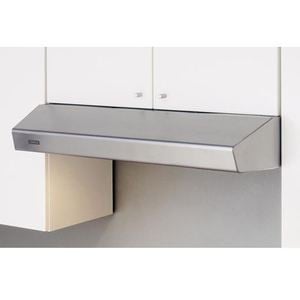
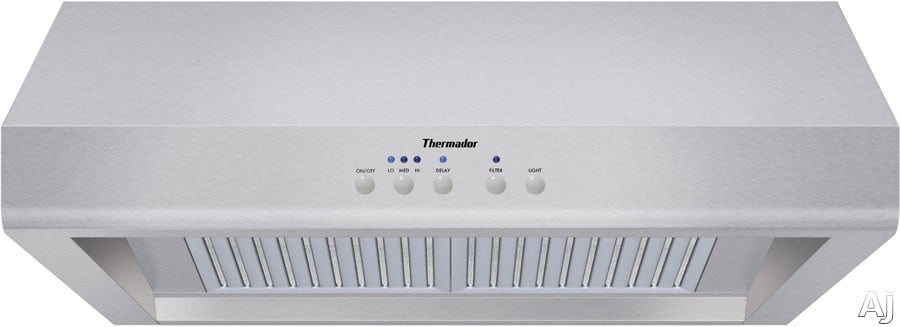
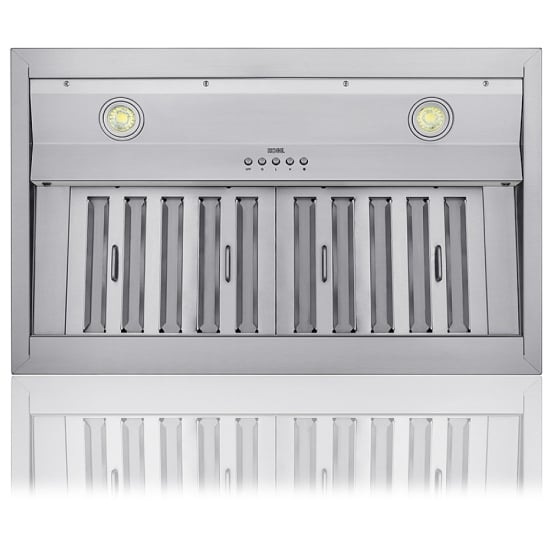
Designed for homeowners and designers who want a clean, built-in look without sacrificing effective ventilation, the Kobe INX2630SQB-700-3 is a 30-inch cabinet-insert range hood built to disappear into custom cabinetry while still handling everyday cooking smoke, steam, and grease. As an appliance specialist, I view this style of insert as the right choice for kitchens where aesthetics and functional capture matter equally—especially in remodels where you want the hood to blend in rather than dominate the room. A key strength of this Kobe insert is its focus on practical, real-world ventilation performance for typical 30-inch cooktop and range setups. Cabinet inserts generally perform best when paired with proper ducting and a well-sized installation, and this unit’s format supports a tidy, professional finish that helps guide airflow where it belongs. In day-to-day use, owners can expect straightforward operation: the controls are typically easy to learn, and the lighting and filtration approach common to this category is geared toward routine cooking rather than occasional, heavy-duty commercial-style demands. From a build and usability standpoint, cabinet inserts are valued for durability and serviceability, and the Kobe INX2630SQB-700-3 fits that expectation. The concealed installation helps protect the hood body from bumps and visual wear, while the working surfaces that matter—filters and light area—remain accessible for regular cleaning. For many households, that translates to more consistent performance over time, since neglected filters are one of the most common reasons ventilation effectiveness drops. There are limitations to note. Like most cabinet inserts, this model’s results depend heavily on correct sizing, duct routing, and installation quality; buyers who cannot vent to the exterior or who have long, restrictive duct runs may not see the same capture efficiency. Also, higher fan settings in this category can be audibly noticeable, which may not suit open-concept kitchens where quiet background operation is a priority. Overall, the Kobe INX2630SQB-700-3 is best for shoppers who want a discreet, custom-cabinet look with dependable everyday ventilation—an approach that’s equally at home in U.S. and Canada kitchens where clean design and practical performance are both valued. Those seeking ultra-quiet operation at high speed, or those with challenging venting constraints, may want to consider alternative ventilation configurations better matched to their layout.
Thank You!

47 Showrooms & Warehouses Canada-wide!
 Vaughan
 (Woodbridge)
 Toronto
 (North York)
 Markham
 Toronto
 (Etobicoke)
 Brampton
 Toronto
 (Scarborough)
 Mississauga
 Newmarket
 Milton
 Oakville
 Whitby
 Guelph
 Hamilton
 Barrie
 Kitchener
 London
 Kingston
 Windsor
 Ottawa
 (West)
 Gatineau
 Ottawa
 (East)
 Ottawa (Warehouse)
 Dorval
 Laval
Laval
 Laval (Warehouse)
 Montréal
 Longueuil
 Trois-Rivières
 Quebec City
 Halifax
 Dartmouth (Warehouse)
 Winnipeg (Warehouse)
 Winnipeg
 (North)
 Winnipeg
 Regina
 Saskatoon
 Edmonton
 Calgary
 Calgary
 (South)
 Edmonton
 (North)
 Langley
 Coquitlam
 Surrey
 Burnaby (Warehouse)
 Burnaby
 Vancouver
 Victoria
47 Showrooms & Warehouses Canada-wide!
-
Ontario
-
Vaughan
WOODBRIDGEINFO
-
Toronto
NORTH YORKINFO
-
Markham
INFO
-
Toronto
ETOBICOKEINFO
-
Brampton
INFO
-
Toronto
SCARBOROUGHINFO
-
Mississauga
INFO
-
Newmarket
INFO
-
Milton
INFO
-
Oakville / Burlington
INFO
-
Whitby / Oshawa
INFO
-
Guelph
INFO
-
Hamilton
INFO
-
Barrie
INFO
-
Kitchener
INFO
-
London
INFO
-
Kingston
INFO
-
Windsor
INFO
-
Ottawa
WESTINFO
-
Ottawa
EASTINFO
-
Ottawa (Warehouse)
INFO
-
Vaughan
-
Québec
-
Nova Scotia
-
Saskatchewan
Live Chat
offline
✖
Delivery and Installation Requirements: Appliances & Laundry

