



Date published: 2025-12-30
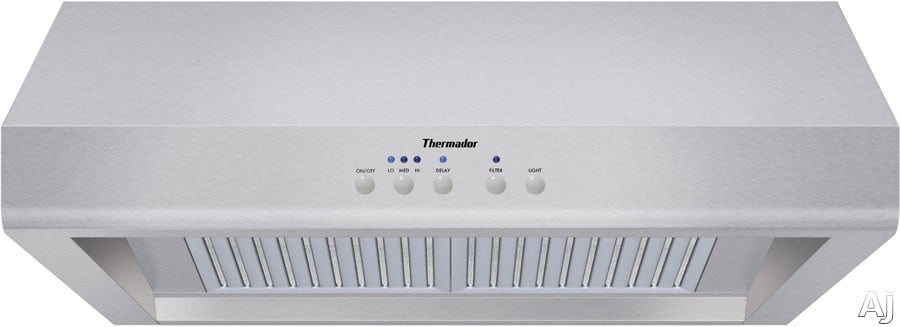
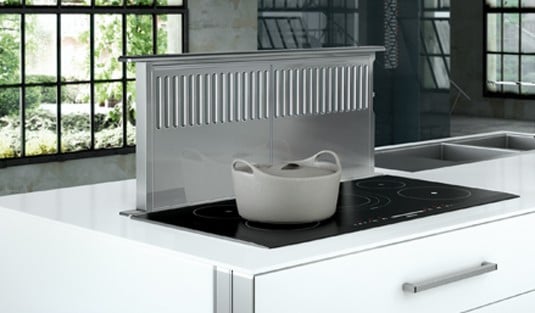
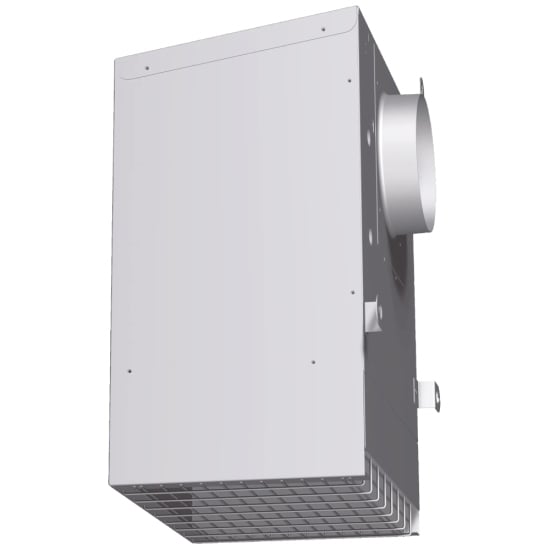
Designed for homeowners and designers who want a cleaner sightline and a quieter cooking environment, the Bosch DHR1FZUC Remote Blower for 800 Series is a dedicated ventilation motor intended to be installed away from the hood itself (typically in an attic, crawlspace, or other remote location). In practice, this configuration is most relevant for premium kitchens where noise control and an uncluttered aesthetic matter as much as effective smoke and odor removal. From an appliance-specialist perspective, the primary advantage of a remote blower is how it changes the user experience at the cooktop. By relocating the motor, the sound energy that normally radiates directly into the kitchen is reduced, making everyday tasks—simmering, searing, or running ventilation longer after cooking—more comfortable. This is especially beneficial in open-concept layouts where ventilation noise can dominate adjacent living areas. When paired correctly with a compatible Bosch 800 Series hood, the result is ventilation that feels more “background” than “broadcast,” without sacrificing the core purpose of moving air efficiently through the duct system. Build quality and long-term reliability expectations for this category are generally strong, and Bosch’s engineering approach typically aligns with that: components are designed for consistent performance under frequent heat, grease, and moisture exposure. Remote installations can also help durability by keeping the motor out of the hottest, most grease-laden zone directly above the cooking surface. For many households, that translates to steadier performance over time and less perceived vibration at the hood. That said, the Bosch DHR1FZUC may not suit buyers who want a straightforward, minimal-installation setup. Remote blowers add planning complexity: duct routing, electrical access, and placement all matter, and professional installation is often the realistic path to best results. Performance is also highly dependent on the overall duct design; long runs, tight elbows, or undersized ducting can limit airflow and increase noise regardless of motor location. In Canada, where attic installations can face wider seasonal temperature swings, careful placement and proper ducting/insulation practices are particularly important for consistent operation. Verdict: the Bosch DHR1FZUC is best for users building or renovating a higher-end kitchen who prioritize reduced perceived noise and a refined, integrated ventilation system. Those seeking the simplest installation or working with challenging duct constraints may want to consider more conventional configurations better suited to limited routing options.
Thank You!

47 Showrooms & Warehouses Canada-wide!
 Vaughan
 (Woodbridge)
 Toronto
 (North York)
 Markham
 Toronto
 (Etobicoke)
 Brampton
 Toronto
 (Scarborough)
 Mississauga
 Newmarket
 Milton
 Oakville
 Whitby
 Guelph
 Hamilton
 Barrie
 Kitchener
 London
 Kingston
 Windsor
 Ottawa
 (West)
 Gatineau
 Ottawa
 (East)
 Ottawa (Warehouse)
 Dorval
 Laval
Laval
 Laval (Warehouse)
 Montréal
 Longueuil
 Trois-Rivières
 Quebec City
 Halifax
 Dartmouth (Warehouse)
 Winnipeg (Warehouse)
 Winnipeg
 (North)
 Winnipeg
 Regina
 Saskatoon
 Edmonton
 Calgary
 Calgary
 (South)
 Edmonton
 (North)
 Langley
 Coquitlam
 Surrey
 Burnaby (Warehouse)
 Burnaby
 Vancouver
 Victoria
47 Showrooms & Warehouses Canada-wide!
-
Ontario
-
Vaughan
WOODBRIDGEINFO
-
Toronto
NORTH YORKINFO
-
Markham
INFO
-
Toronto
ETOBICOKEINFO
-
Brampton
INFO
-
Toronto
SCARBOROUGHINFO
-
Mississauga
INFO
-
Newmarket
INFO
-
Milton
INFO
-
Oakville / Burlington
INFO
-
Whitby / Oshawa
INFO
-
Guelph
INFO
-
Hamilton
INFO
-
Barrie
INFO
-
Kitchener
INFO
-
London
INFO
-
Kingston
INFO
-
Windsor
INFO
-
Ottawa
WESTINFO
-
Ottawa
EASTINFO
-
Ottawa (Warehouse)
INFO
-
Vaughan
-
Québec
-
Nova Scotia
-
Saskatchewan
Live Chat
Appliance experts online now!
✖
Delivery and Installation Requirements: Appliances & Laundry

