








Date published: 2025-12-30
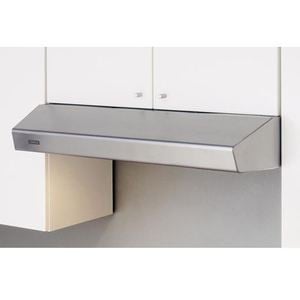
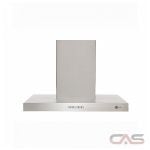
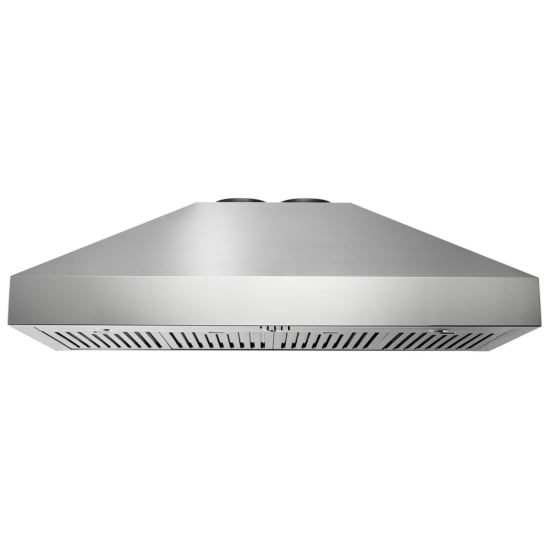
Designed for serious home cooks and households running larger 48-inch ranges, the Thor Kitchen TRH48P 48 Inch Wall Chimney Hood is built to manage the heat, grease, and lingering odors that come with frequent high-output cooking. As an appliance specialist, I view this model as a practical, pro-style ventilation solution for buyers who want strong capture coverage, straightforward controls, and a clean wall-chimney aesthetic that suits both contemporary and industrial-inspired kitchens.
A key advantage of Thor Kitchen is its focus on performance-forward features without overcomplicating day-to-day use, and the TRH48P follows that approach. The 48-inch canopy provides generous horizontal coverage, which matters in real kitchens where pans shift, multiple burners run at once, and smoke doesn’t rise in a perfectly straight column. For users who sear, stir-fry, or griddle regularly, that extra capture area can translate into noticeably less residual odor and less grease settling on surrounding cabinetry.
In typical operation, a hood in this class should deliver responsive airflow changes and effective filtration, and the TRH48P’s design aligns with those expectations. Multi-speed operation allows you to keep airflow modest for simmering and step up extraction when cooking gets more intense. From a usability standpoint, the wall-chimney format also tends to be easier to wipe down than more intricate canopy designs, supporting long-term cleanliness and consistent performance.
Noise is the trade-off most buyers should anticipate with any high-capacity wall hood: higher fan speeds generally bring more audible airflow and motor sound. This model may not suit open-concept homes where ultra-quiet operation at maximum output is the top priority. Similarly, a 48-inch chimney hood is visually substantial; it’s best matched to kitchens where the hood is intended to read as a focal point rather than disappear into cabinetry.
Installation planning is important. Proper ducting, adequate make-up air where required by local code, and correct mounting height will strongly influence real-world results—especially in regions with stricter ventilation practices, including parts of Canada.
Verdict: the Thor Kitchen TRH48P 48 Inch Wall Chimney Hood is best for high-frequency cooks who want broad coverage, dependable ventilation fundamentals, and a durable pro-style presence over a 48-inch range. Buyers prioritizing the quietest possible high-speed operation or a more discreet built-in look may want to consider alternative hood formats.
Thank You!

47 Showrooms & Warehouses Canada-wide!
 Vaughan
 (Woodbridge)
 Toronto
 (North York)
 Markham
 Toronto
 (Etobicoke)
 Brampton
 Toronto
 (Scarborough)
 Mississauga
 Newmarket
 Milton
 Oakville
 Whitby
 Guelph
 Hamilton
 Barrie
 Kitchener
 London
 Kingston
 Windsor
 Ottawa
 (West)
 Gatineau
 Ottawa
 (East)
 Ottawa (Warehouse)
 Dorval
 Laval
Laval
 Laval (Warehouse)
 Montréal
 Longueuil
 Trois-Rivières
 Quebec City
 Halifax
 Dartmouth (Warehouse)
 Winnipeg (Warehouse)
 Winnipeg
 (North)
 Winnipeg
 Regina
 Saskatoon
 Edmonton
 Calgary
 Calgary
 (South)
 Edmonton
 (North)
 Langley
 Coquitlam
 Surrey
 Burnaby (Warehouse)
 Burnaby
 Vancouver
 Victoria
47 Showrooms & Warehouses Canada-wide!
-
Ontario
-
Vaughan
WOODBRIDGEINFO
-
Toronto
NORTH YORKINFO
-
Markham
INFO
-
Toronto
ETOBICOKEINFO
-
Brampton
INFO
-
Toronto
SCARBOROUGHINFO
-
Mississauga
INFO
-
Newmarket
INFO
-
Milton
INFO
-
Oakville / Burlington
INFO
-
Whitby / Oshawa
INFO
-
Guelph
INFO
-
Hamilton
INFO
-
Barrie
INFO
-
Kitchener
INFO
-
London
INFO
-
Kingston
INFO
-
Windsor
INFO
-
Ottawa
WESTINFO
-
Ottawa
EASTINFO
-
Ottawa (Warehouse)
INFO
-
Vaughan
-
Québec
-
Nova Scotia
-
Saskatchewan
Live Chat
Appliance experts online now!
✖
Delivery and Installation Requirements: Appliances & Laundry

